


Browline Glasses
Donahugh browline glasses place definition across the upper frame while keeping the lower outline cleaner. Explore acetate paired with metal or titanium in classic neutrals, transparent finishes, and expressive colors.
Filters


Perry O
Black
Sale priceCHF 38.00
Regular priceCHF 76.00


Coast O
Black
Sale priceCHF 38.00
Regular priceCHF 76.00




Kove O
Trans
Sale priceCHF 38.00
Regular priceCHF 76.00


Fable O
Tortoise
Sale priceCHF 38.00
Regular priceCHF 76.00


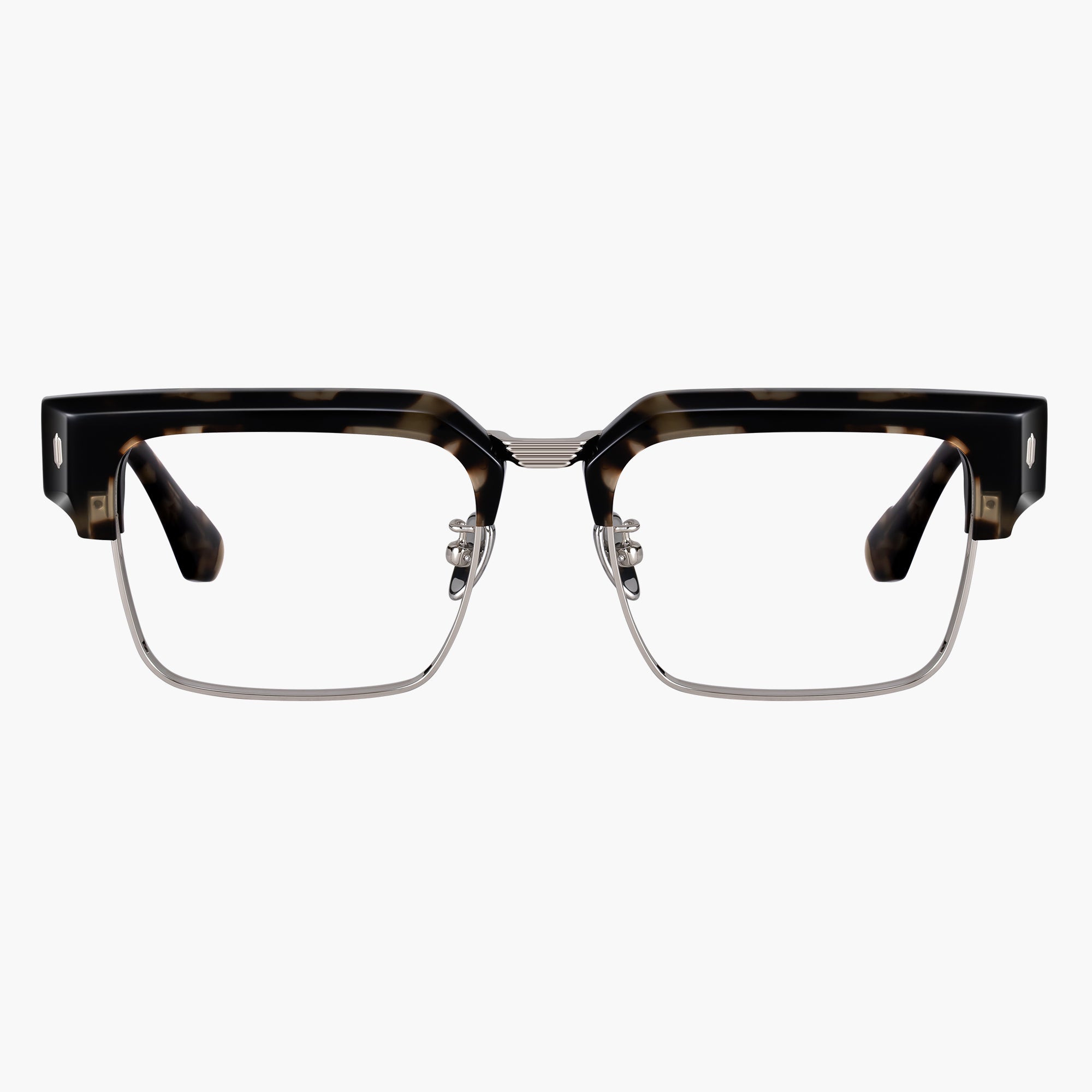

Kove O
Tortoise
Sale priceCHF 38.00
Regular priceCHF 76.00
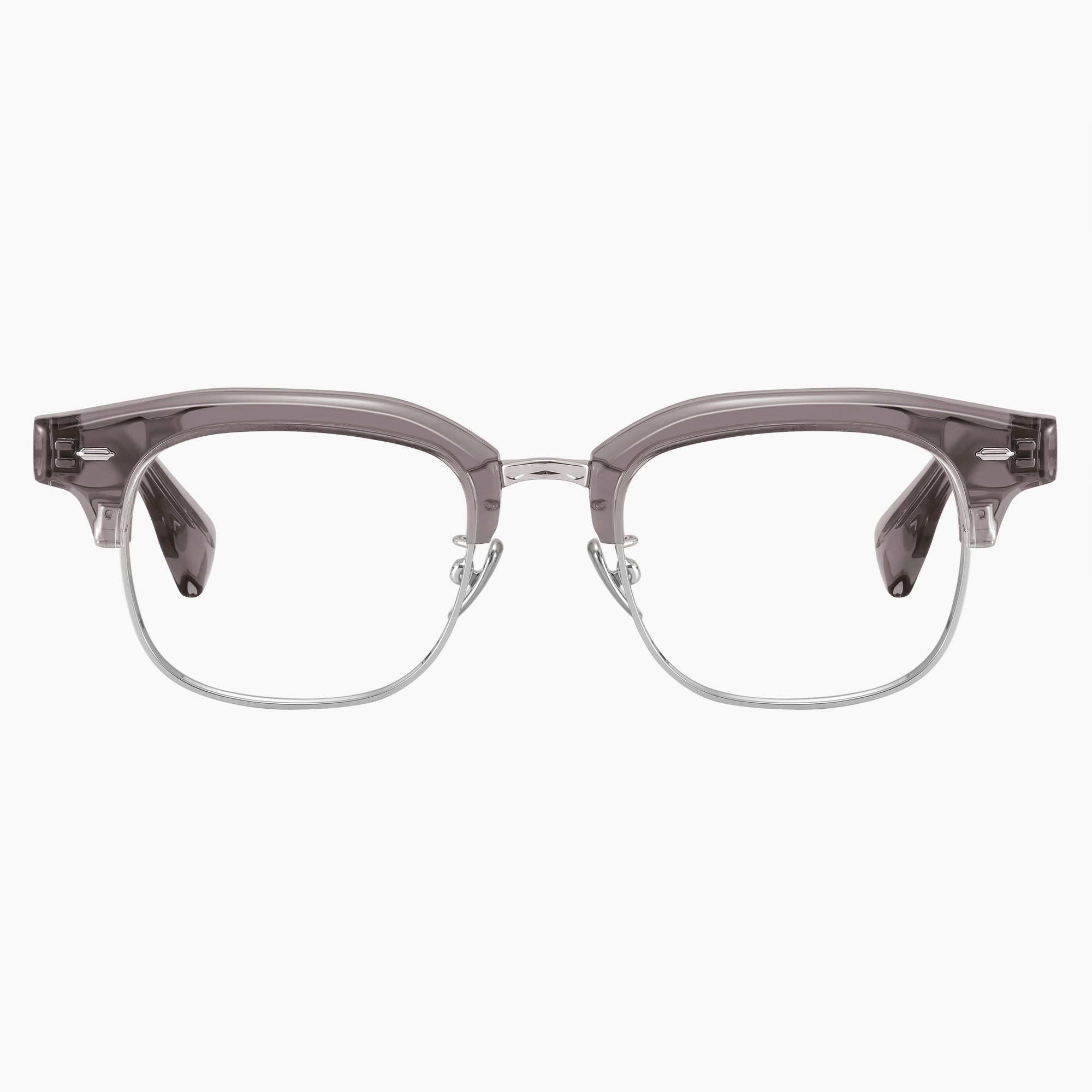

Plex O
Grey
Sale priceCHF 38.00
Regular priceCHF 76.00


Fable O
Green
Sale priceCHF 38.00
Regular priceCHF 76.00


Fable O
Blue
Sale priceCHF 38.00
Regular priceCHF 76.00


Iris O
Brown
Sale priceCHF 42.00
Regular priceCHF 84.00




Frost O
Black
Sale priceCHF 42.00
Regular priceCHF 84.00


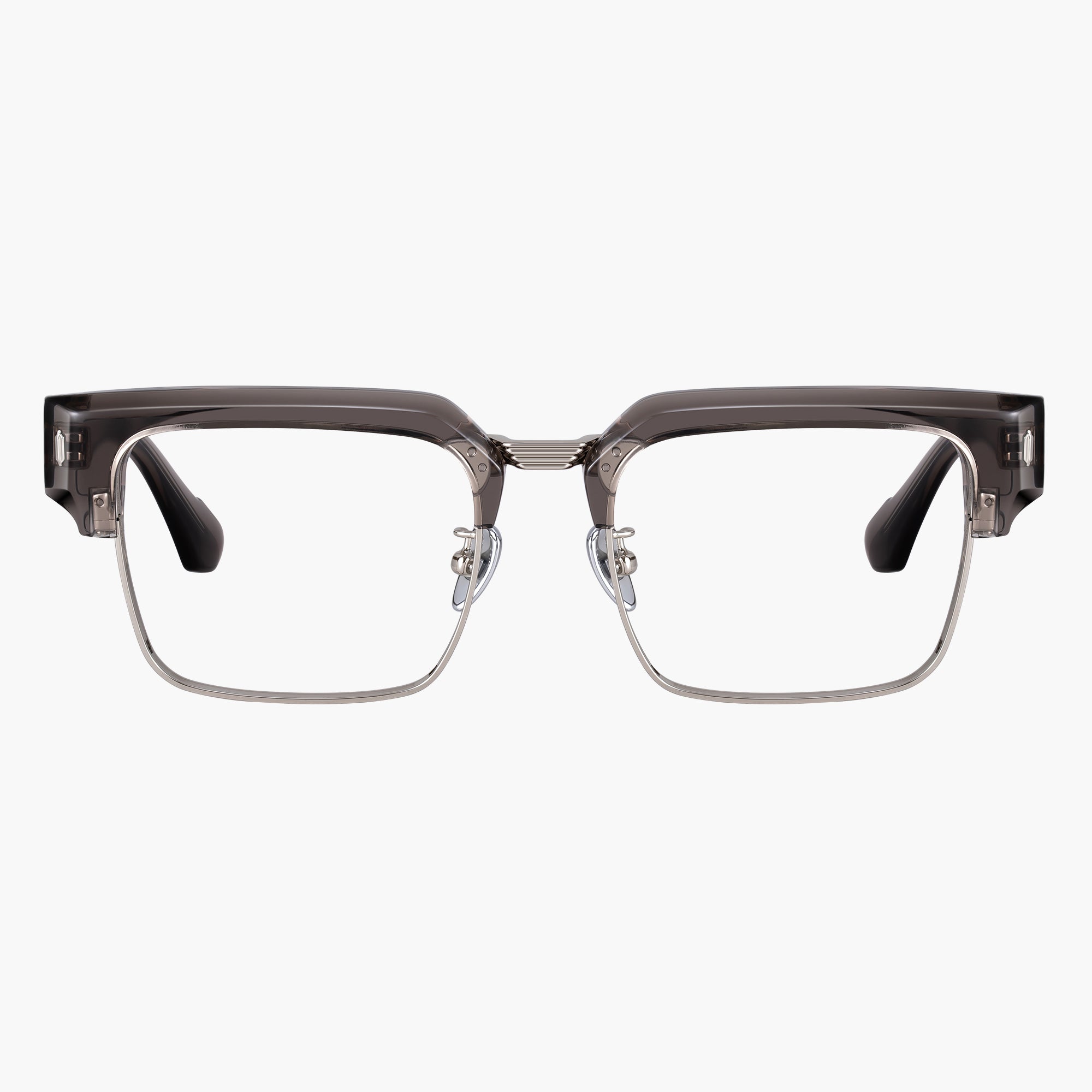

Kove O
Grey
Sale priceCHF 38.00
Regular priceCHF 76.00


Bruce O
Green
Sale priceCHF 38.00
Regular priceCHF 76.00


Coast O
Brown
Sale priceCHF 38.00
Regular priceCHF 76.00
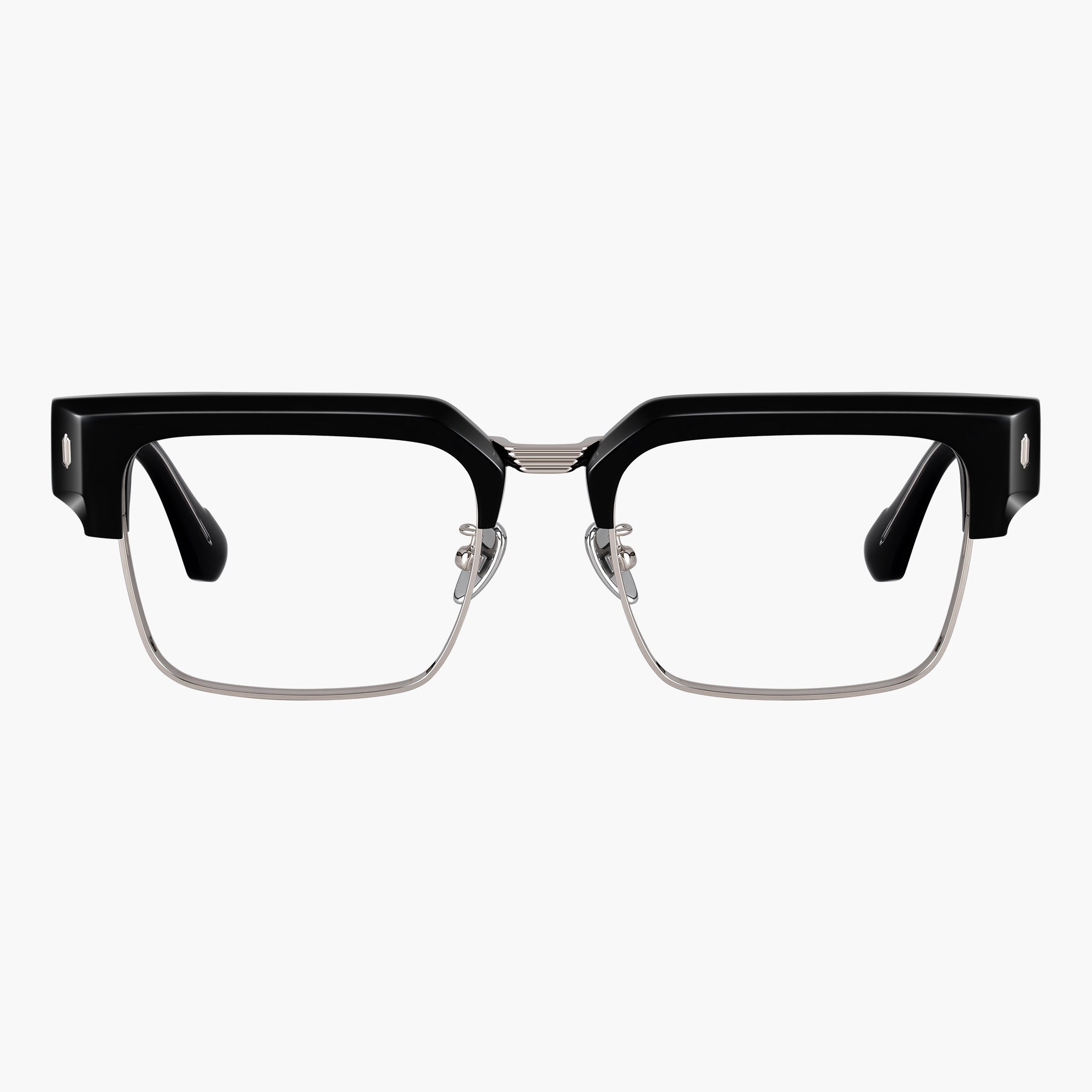

Kove O
Black
Sale priceCHF 38.00
Regular priceCHF 76.00
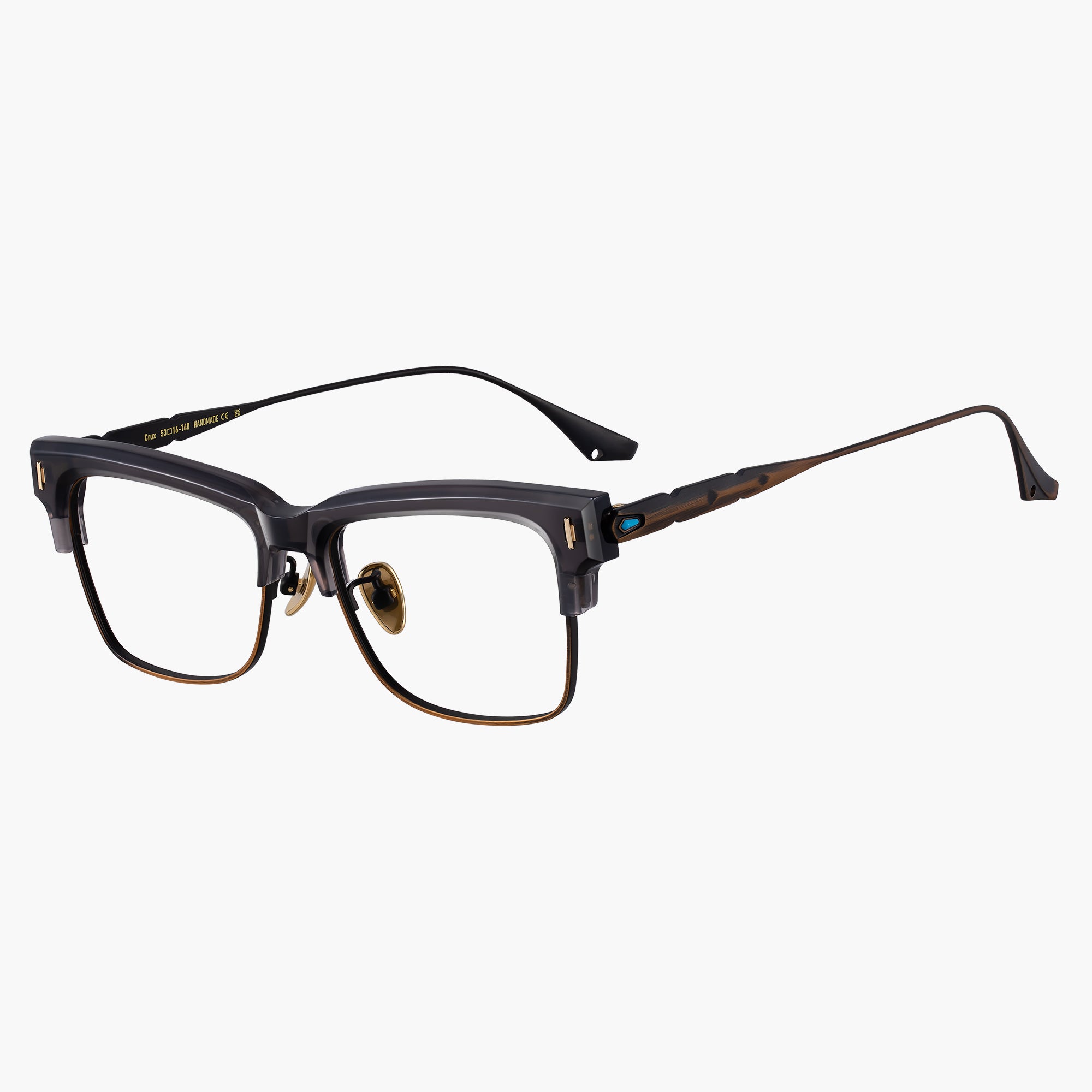

Crux O
Grey
Sale priceCHF 42.00
Regular priceCHF 84.00


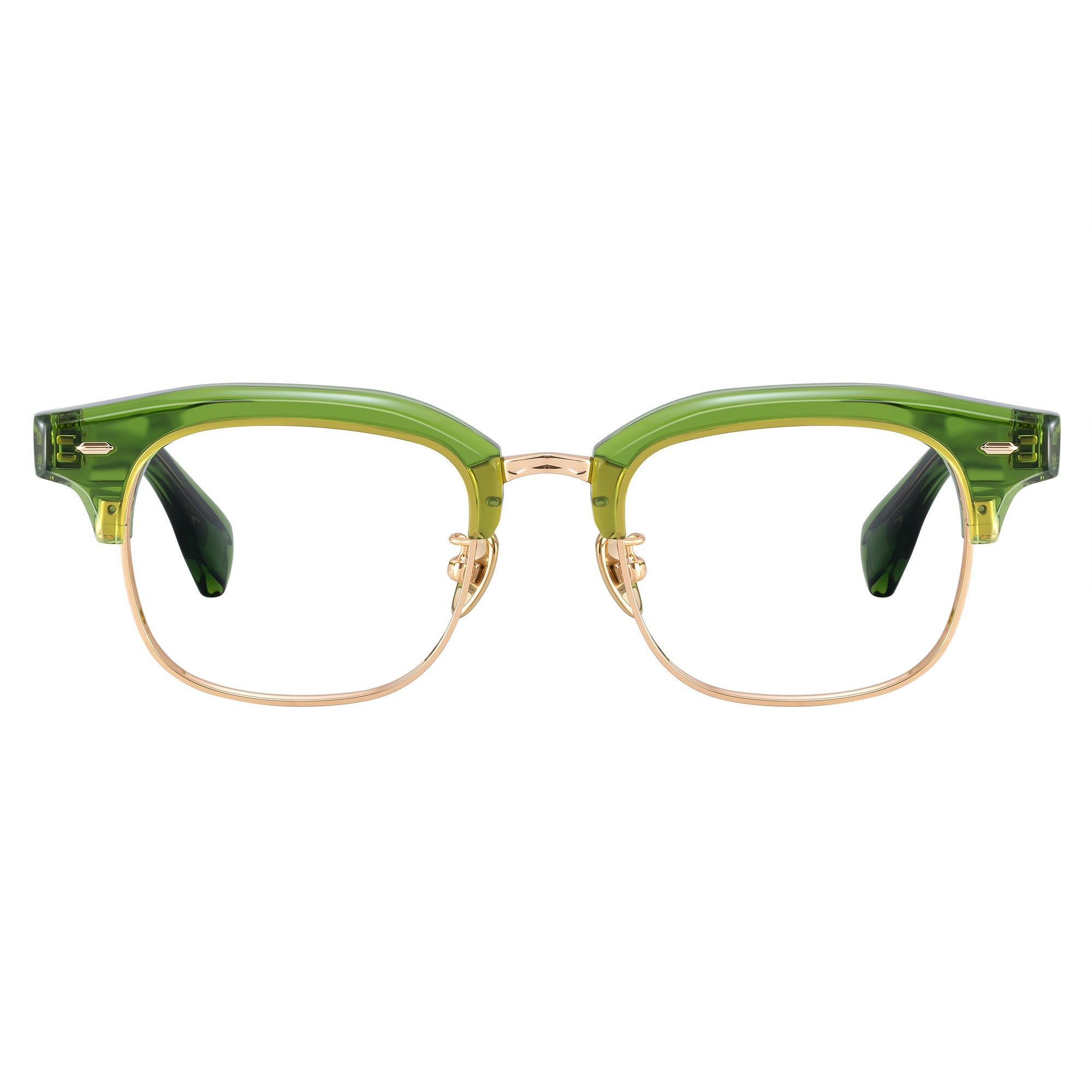

Plex O
Green
Sale priceCHF 38.00
Regular priceCHF 76.00


Frost O
Trans Brown
Sale priceCHF 42.00
Regular priceCHF 84.00


Frost O
Grey
Sale priceCHF 42.00
Regular priceCHF 84.00


Bruce O
Blue
Sale priceCHF 38.00
Regular priceCHF 76.00


Rive O
Black
Sale priceCHF 53.00
Regular priceCHF 76.00


Rive O
Black Gold
Sale priceCHF 53.00
Regular priceCHF 76.00
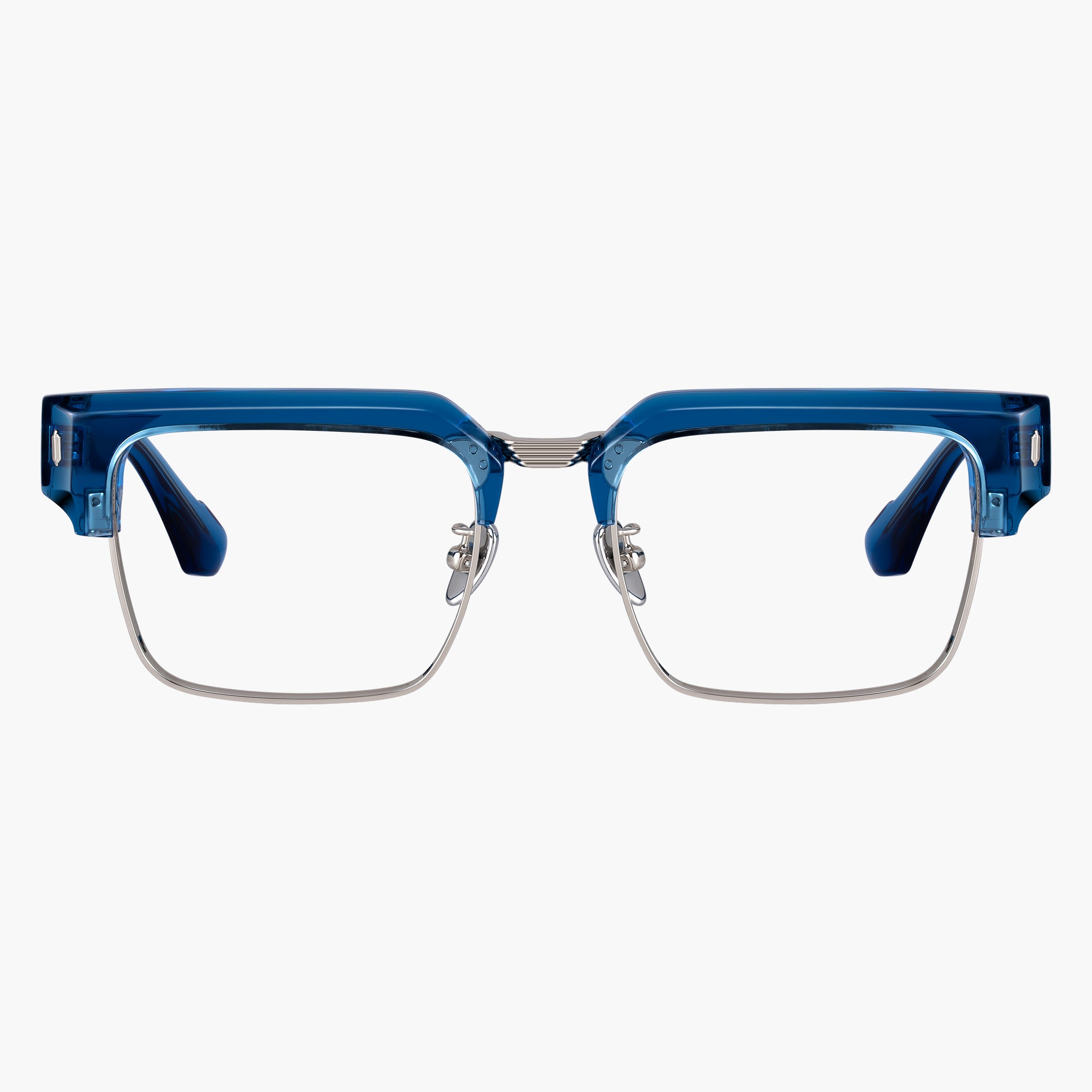

Kove O
Blue
Sale priceCHF 38.00
Regular priceCHF 76.00
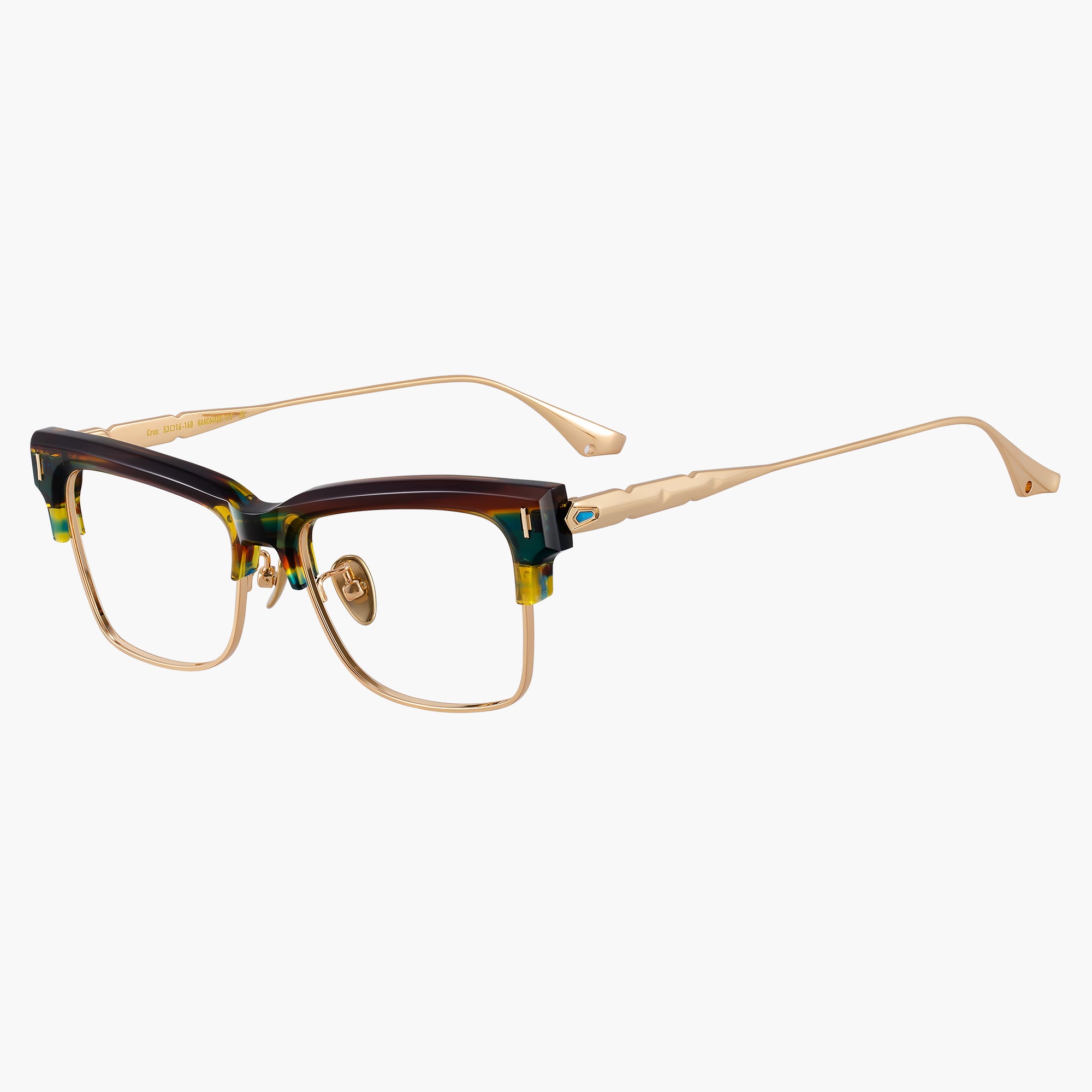

Crux O
Tortoise
Sale priceCHF 42.00
Regular priceCHF 84.00


Bruce O
Light Blue
Sale priceCHF 38.00
Regular priceCHF 76.00
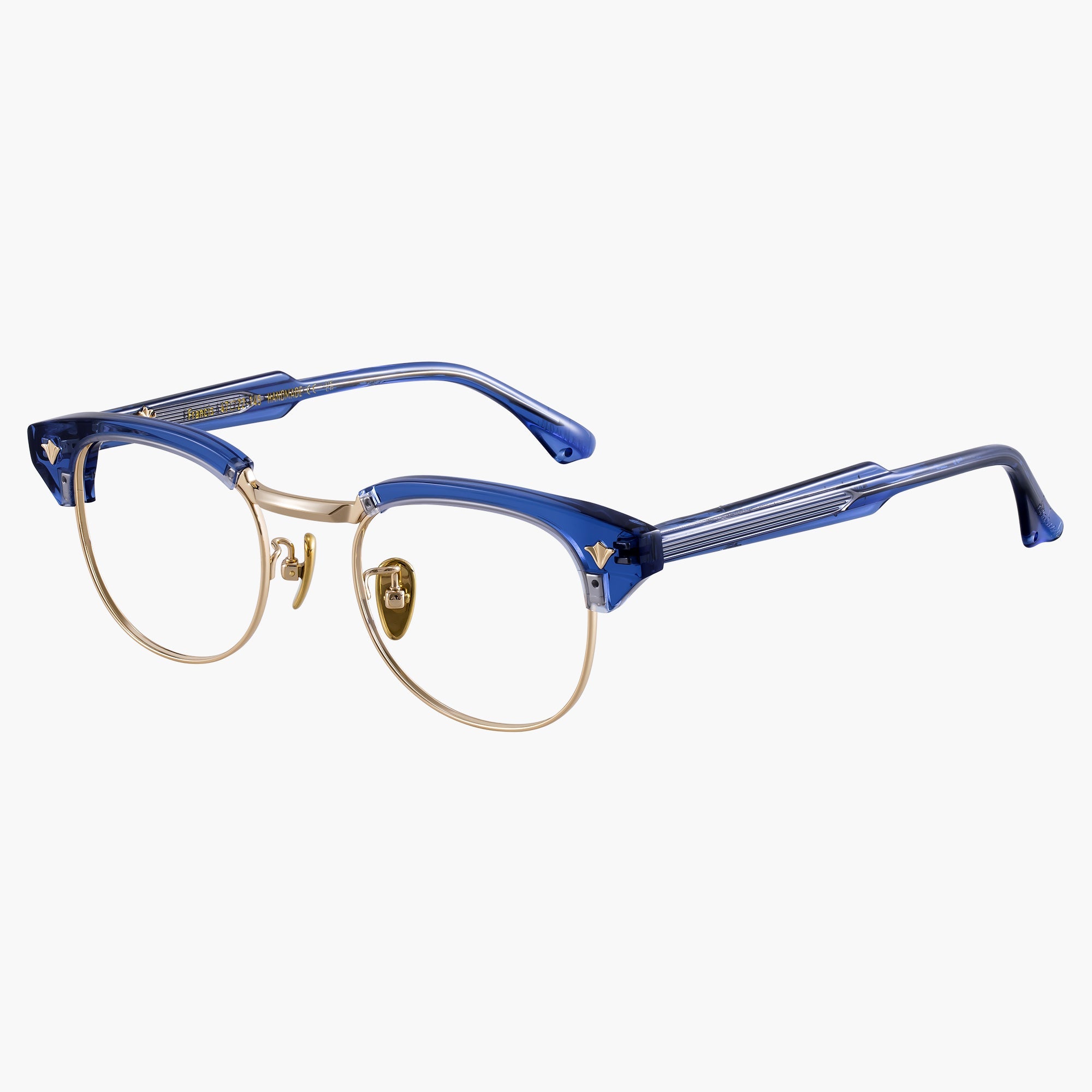

Francis O
Blue
Sale priceCHF 38.00
Regular priceCHF 76.00


Rive O
Grey
Sale priceCHF 53.00
Regular priceCHF 76.00


Iris O
Trans
Sale priceCHF 42.00
Regular priceCHF 84.00


Crux O
Trans
Sale priceCHF 42.00
Regular priceCHF 84.00
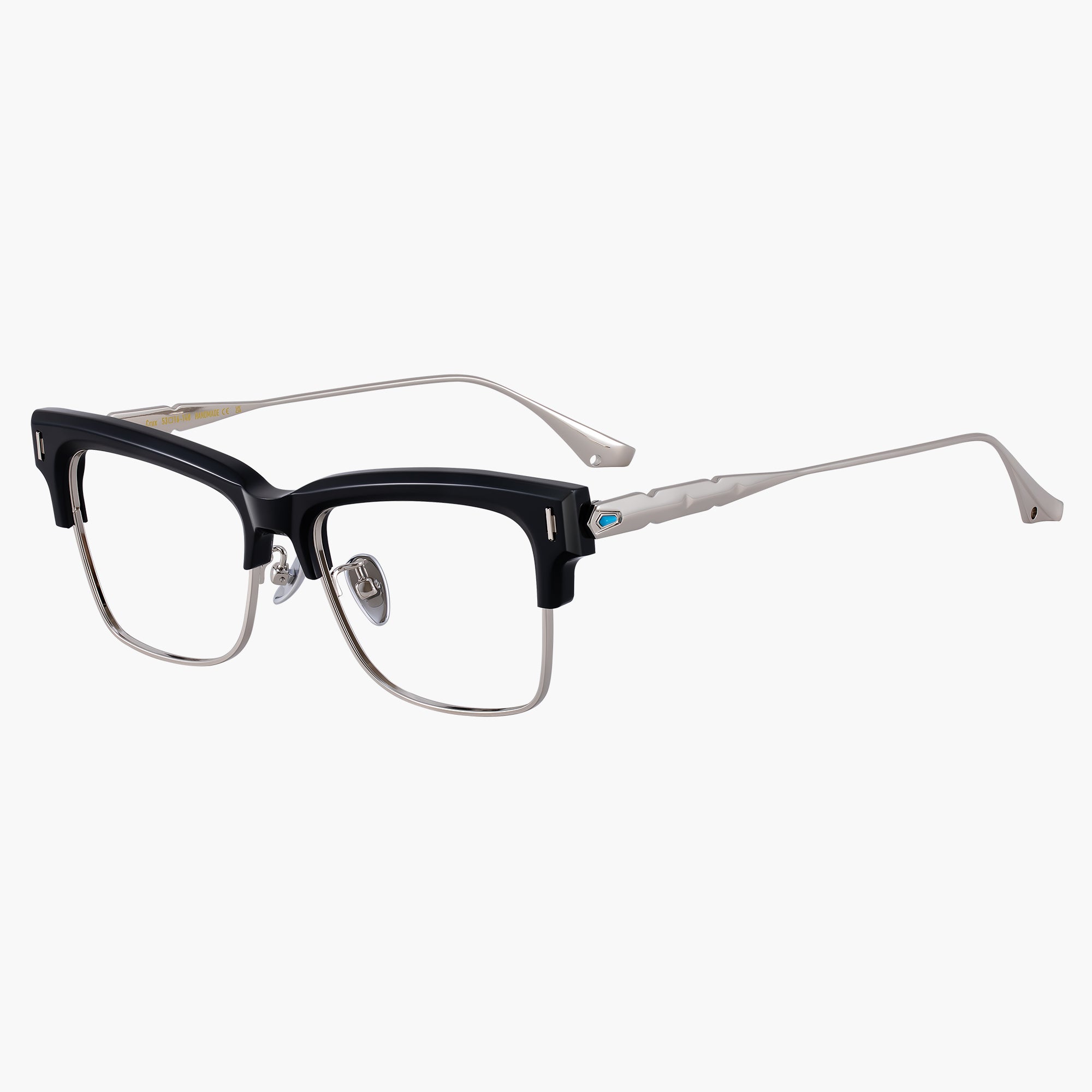

Crux O
Black
Sale priceCHF 42.00
Regular priceCHF 84.00

Why Browline Glasses Put Emphasis Upward

How to Choose Browline Glasses by Width and Balance


